
Nanchang(南昌), the capital of Jiangxi(江西) Province, is a city with a rich tapestry of revolutionary history, classical Chinese culture, and natural beauty along the Gan River(贛江).
Culture and History
Nanchang has been an important city for over 2,200 years. It holds a paramount place in modern Chinese history as the “Hero City” because it was the site of the Nanchang Uprising on August 1, 1927, which is considered the birth of the People’s Liberation Army (PLA).
Culturally, the city is famous for being one of the three great towers south of the Yangtze River(楊紫江,長江). It also has strong connections to traditional Chinese art, notably with the painter Bada Shanren(八大山人) or Zhu Da (朱耷) from the late Ming and early Qing dynasties. More recently, the discovery of the Haihun Marquis Tomb(海昏侯墓博物館) has unveiled a spectacular collection of artifacts, offering a priceless look into the life and wealth of the Western Han Dynasty (206 BC – AD 24).
Major Attractions
Historical and Cultural Landmarks
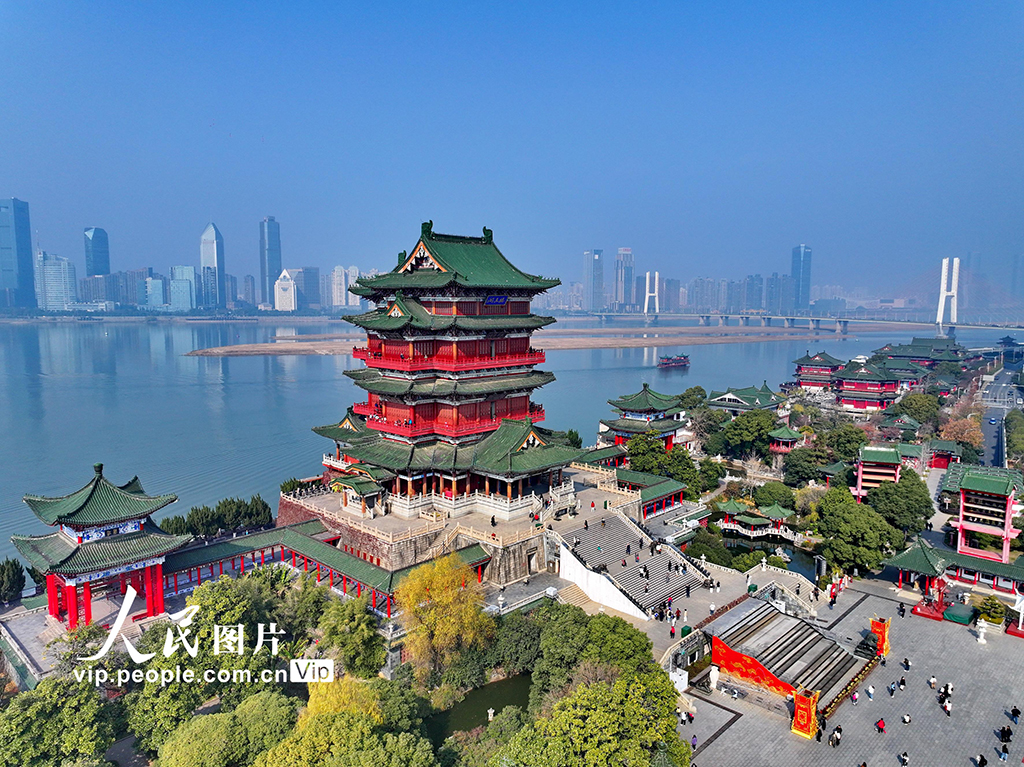
- Tengwang Pavilion (Pavilion of Prince Teng 滕王閣): Arguably the city’s most famous icon, this majestic Tang Dynasty-era tower has been rebuilt numerous times. It’s renowned for its architectural grandeur and for being immortalized in the classic poem, “Preface to the Pavilion of Prince Teng,(滕王閣寺)” by Wang Bo(王勃). You can climb its many stories for panoramic views of the city and the Gan River.
- August 1st Nanchang Uprising Memorial Museum (八一南昌起義紀念館): This site commemorates the pivotal 1927 event that launched the Chinese Communist-led armed resistance, offering a deep dive into the revolutionary period through exhibits and historical artifacts.
- Haihun Marquis Tomb Museum (海昏侯墓博物館): Located outside the city center, this national archaeological park showcases the incredible relics—including gold, jade, and bronze—excavated from the tomb of Liu He, the Marquis of Haihun, a former emperor briefly deposed during the Han Dynasty.
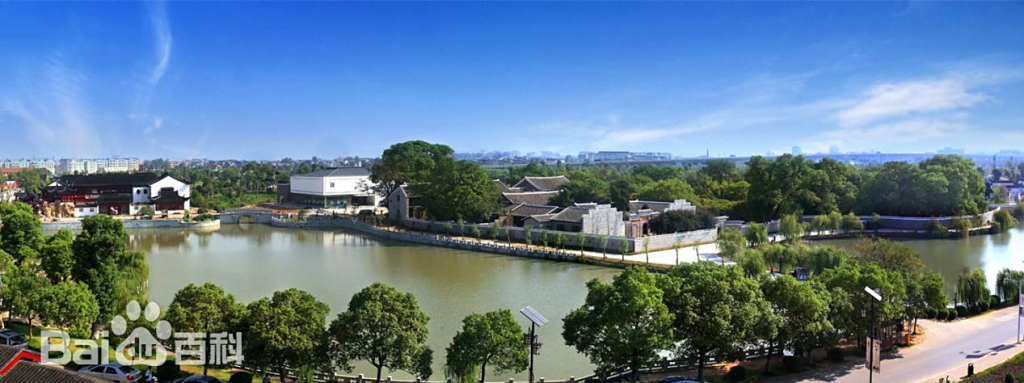
- Bada Shanren Memorial Hall (八大山人紀念館): Dedicated to the influential Ming and Qing dynasty painter Zhu Da, this tranquil memorial is located in the beautiful Qingyunpu Garden and provides insight into traditional Chinese ink wash painting.
Modern and Natural Sights
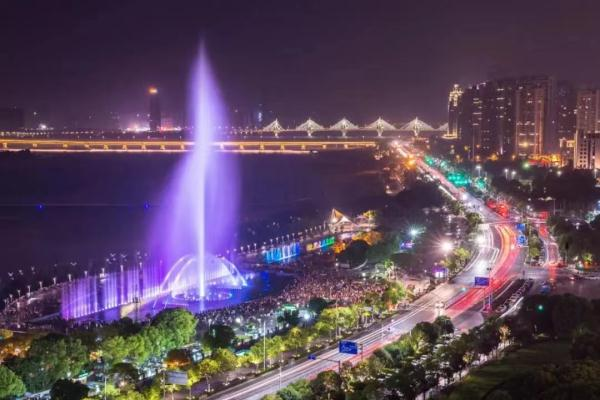
- Qiushui Square (秋水廣場): A popular spot on the west bank of the Gan River, known for its large-scale musical fountain show, one of the biggest in Asia, offering a spectacular visual and auditory experience, especially at night.
- Star of Nanchang (南昌之星): This massive Ferris wheel was once the tallest in the world, offering breathtaking views of the city skyline, particularly in the evening.
- Shengjin Pagoda (繩金塔): An ancient brick and wood pagoda with a rich local legend about a hidden treasure, this tower stands as a testament to the city’s long history.
- Meiling Mountain (梅嶺): Located in the western suburbs, this scenic area is a great escape for nature lovers, featuring beautiful mountains, forests, and Buddhist and Taoist cultural sites.

Food
藜蒿炒臘肉 Líhāo chǎo làròu
Stir-fried Lihao with Cured Meat (Laba Rou)

This is a famous dish in Nanchang, especially popular in spring. Lihao (also known as Gynura procumbens or ‘Artemisia’ in some translations) is a local aquatic vegetable with a unique, subtle fragrance. It is stir-fried quickly with flavorful cured pork belly (Laba Rou), making it aromatic, crunchy, and savory.
鄱陽湖獅子頭 Póyáng hú shīzǐtóu
Stir-fried Lihao with Cured Meat (Laba Rou)
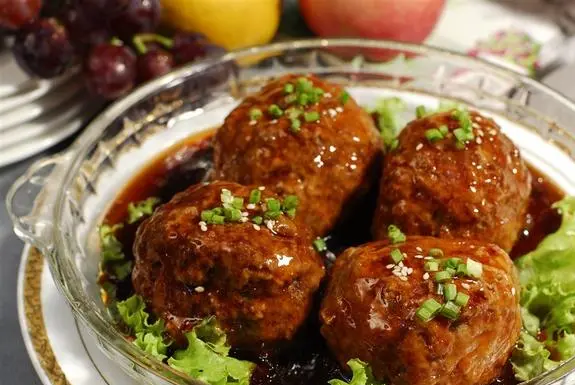
A local variation of the classic “Lion’s Head” dish. Unlike the Jiangsu(江蘇) version, the Nanchang-style uses fresh, locally-sourced ingredients from Poyang Lake (China’s largest freshwater lake), often incorporating fish or shrimp to give the oversized pork meatballs a lighter, more delicate texture and richer flavor profile.
米粉蒸肉 Mǐ fěn zhēng ròu
Steamed Pork with Rice Flour (Mi Fen Zhen Rou)
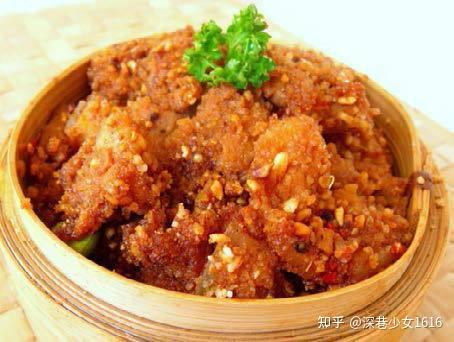
A popular Hunan and Jiangxi dish. Sliced pork belly is coated in a blend of ground, seasoned rice flour (Miˇ Fenˇ,米粉) and spices, then steamed until the pork is extremely tender and the rice flour coating is soft, fragrant, and savory. It’s often steamed over sweet potatoes or taro.
豫章酥鴨 Yù zhāng sū yā
Yuzhang Crispy Duck
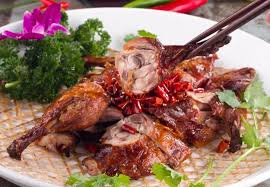
“Yuzhang” is the ancient name for Nanchang. This refers to a whole duck that is typically marinated, steamed until tender, and then deep-fried to achieve a very thin, crisp, and golden-brown skin. The meat remains juicy inside, offering a contrast of crunchy skin and succulent meat.
鰍魚鑽豆腐 Qiū yú zuān dòufu
Dojo Loach with Tofu (Loach Fish Dipped in Tofu)

A distinctive regional stew. Small, freshwater loach fish (鰍魚) and tender pieces of tofu are simmered together. The local method often emphasizes the flavor of the fish permeating the soft tofu, creating a deeply comforting and rustic dish.
竹筒粉蒸腸 Zhútǒng fěn zhēng cháng
Steamed Intestine with Rice Flour in Bamboo Tube

Similar to the Steamed Pork dish, but this specialty uses pork intestine that is coated with seasoned rice flour and cooked inside a bamboo tube. The steaming process infuses the dish with the fresh, earthy aroma of the bamboo, adding a unique, natural flavor to the soft, savory intestine.
Other video reference:
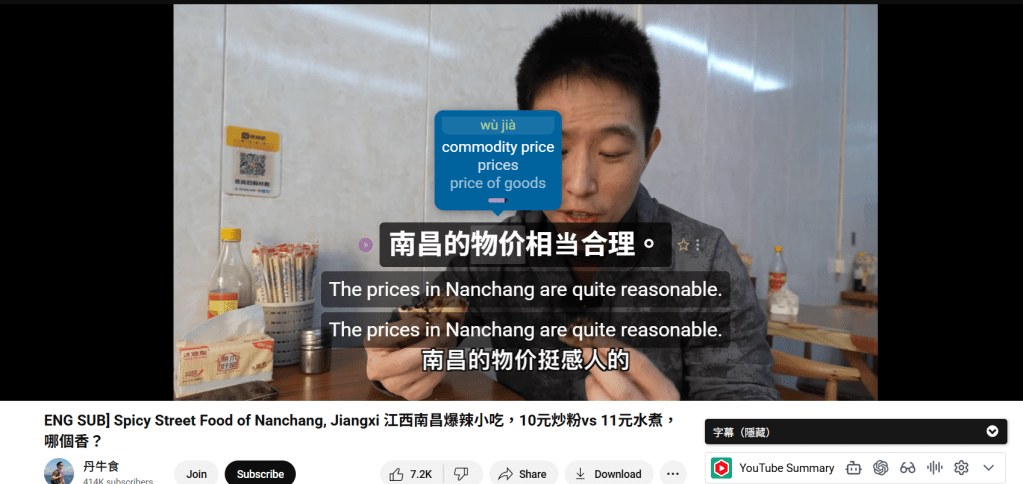
Mandarin Meta is a platform for Mandarin language learners to learn in easy and fun ways, and we teach daily-use sentences, phrases, conversation, grammar, vocabulary, pronunciation, speaking, Mandarin-speaking TV/Music channels, and culture.
📌Send the email to studentsuccess@mandarinmeta.com
📌Click! Trial Online Lesson: https://preply.com/en/tutor/1373388
I will reply to you as soon as possible. Thanks!
 🚀🚀Mandarin Meta 華語元宇宙