

小朋友 你是否有很多問號(?)
Xiǎo péngyǒu nǐ shìfǒu yǒu hěnduō wènhào
Kid! Do you have a lot of question marks?
是否 shìfǒu whether or not
為什麼 別人在那看漫畫
Wèishéme biérén zài nà kàn mànhuà
Why are other people reading comics there?
我卻在學畫畫 對著鋼琴說話
Wǒ què zài xué huà huà duìzhe gāngqín shuōhuà
I’m learning to draw instead and speak to the piano
卻 què however
別人在玩遊戲 我卻靠在牆壁背我的ABC
Biérén zài wán yóuxì wǒ què kào zài qiángbì bèi wǒ de ABC
Others are playing games and I’m leaning against the wall, memorizing ABC(English alphabets)
我說我要一個大大的飛機 但卻得到一台舊舊錄音機
Wǒ shuō wǒ yào yīgè dàdà de fēijī dàn què dédào yī tái jiù jiù lùyīnjī
I said I wanted a big airplane but got an old tape recorder
舊舊的 very old
為什麼要聽媽媽的話? 長大後你就會開始懂了這段話
Wèishéme yào tīng māmā dehuà zhǎngdà hòu nǐ jiù huì kāishǐ dǒngle zhè duàn huà
Why listen to your mom, you’ll start to understand when you grow up
長大後我開始明白
Zhǎngdà hòu wǒ kāishǐ míngbái
As I grew up, I began to understand
明白Míngbái = 懂 dǒng= 了解liǎojiě understand
為什麼我跑得比別人快 飛得比別人高
Wèi shéme wǒ pǎo dé bǐ biérén kuài, fēi dé bǐ biérén gāo
Why do I run faster than others and fly higher than others
將來大家看的,都是我畫的漫畫
Jiānglái dàjiā kàn de dōu shì wǒ huà de mànhuà
In the future, everyone will read comics drawn by me
大家 dàjiā everyone 皆さん
大家唱的,都是我寫的歌
Dàjiā chàng de dōu shì wǒ xiě de gē
Everyone sings songs I wrote
媽媽的辛苦不讓你看見
Māmā de xīnkǔ bù ràng nǐ kàn jiàn
Mom’s hard work won’t let you see
辛苦 xīnkǔ 辛さ(unpleasantness)
溫暖的食譜在她心裡面
Wēnnuǎn de shípǔ zài tā xīn lǐmiàn
Warm recipes are in her heart
有空就多多握握她的手
Yǒu kòng jiù duōduō wò wò tā de shǒu
Hold her hand more whenever you have time
把手牽著一起夢遊
Bǎshǒu qiānzhe yīqǐ mèngyóu
sleepwalking holding hands
夢遊 mèngyóu dream walk몽유병
牽 = 握 qiān = wò 붙잡다 hold onto
聽媽媽的話 別讓她受傷
Tīng māmā dehuà bié ràng tā shòushāng
Listen to mom and don’t let her get hurt
想快快長大 才能保護她
Xiǎng kuài kuài zhǎngdà cái néng bǎohù tā
I want to grow up quickly to protect her
才 cái as soon as, すぐ
美麗的白髮 幸福中發芽
Měilì de bái fà xìngfú zhōng fāyá
Beautiful white hair, sprouting in happiness(幸せ)
天使的魔法 溫暖中慈祥
Tiānshǐ de mófǎ wēnnuǎn zhōng cíxiáng
Angel’s magic, kindness inside the warmth
在你的未來 音樂是你的王牌 拿王牌談個戀愛
Zài nǐ de wèilái yīnyuè shì nǐ de wángpái ná wángpái tán gè liàn’ài
In your future, music is your Ace card, take your Ace card and fall in love
唉!我不想把你教壞 還是聽媽媽的話吧 晚點再戀愛吧
Āi! Wǒ bùxiǎng bǎ nǐ jiào huài háishì tīng māmā dehuà ba wǎndiǎn zài liàn’ài ba
aigo! I don’t want to teach you bad, rather than that, listen to mother and fall in love later
再 zài to resume
我知道你未來的路 但媽比我更清楚
Wǒ zhīdào nǐ wèilái de lù dàn mā bǐ wǒ gèng qīngchǔ
I know your future’s path, but mom knows more clearly than me
你會開始學,其他同學在書包寫東寫西
Nǐ huì kāishǐ xué, qítā tóngxué zài shūbāo xiě dōng xiě xī
You will start to learn, other students who are writing something(or graffiti) in their schoolbags
____
但我建議最好寫: 媽媽我會用功讀書
Dàn wǒ jiànyì zuì hǎo xiě māmā wǒ huì yònggōng dúshū
But I suggest you had better write:mother I will study hard
建議 jiànyì suggest
如果要去韓國讀書,我建議去釜山比較好
用功讀書 怎麼會從我嘴巴說出
Yònggōng dúshū zěnme huì cóng wǒ zuǐbā shuō chū
Study hard, how come will it come out of my mouth
不想你輸 所以要叫你用功讀書
Bùxiǎng nǐ shū suǒyǐ yào jiào nǐ yònggōng dúshū
I do not want you to lose, so I ask you to study hard
負けたくないので 一生懸命勉強してほしい
지기 싫어서 열심히 공부했으면 좋겠어
怕你明天睡過頭,所以要叫你早點睡
Pà nǐ míngtiān shuì guòtóu ,Suǒyǐ yào jiào nǐ zǎodiǎn shuì
So I want to ask you to sleep a little bit earlier
睡過頭 shuì guòtóu oversleep
早睡 sleep early
早點睡 Zǎodiǎn shuì sleep earlier
怕 Pà afraid; scared:
媽媽織給你的毛衣 你要好好的收著
Māmā zhī gěi nǐ de máoyī nǐ yào hǎohǎo de shōuzhe
お母さんが編んであげたswether 조심스럽게 (선반)에 보관해야합니다
For the sweater that the mother weaved to you, you need to keep it well
因為母親節到時 我要告訴她:我還留著
Yīnwèi mǔqīn jié dào shí wǒ yào gàosù tā: Wǒ hái liúzhe
Because when mother’s day comes, I’m going to|want to tell her: I still keep it
時=的時候 の時
告訴 Gàosù to tell
留著 liúzhe keeping 保つ
對了 我會遇到周潤發
Duìle wǒ huì yù dào zhōurùnfā
Oh right, I will meet Chow Yun Fat
對了 Duìle by the way
周潤發 zhōurùnfā Chow Yun Fat, HK actor
遇到 yù dào meet
所以你可以跟同學炫耀:賭神未來是你爸爸
Suǒyǐ nǐ kěyǐ gēn tóngxué xuànyào: Dǔ shén wèilái shì nǐ bàba
So you can show off to your classmates: God of Gamblers is your father in the future
賭 Dǔ to bet 걸다 賭ける
神: shén god
賭神: god of gambler
我找不到童年寫的情書
Wǒ zhǎo bù dào tóngnián xiě de qíngshū
I can’t find love letters that I wrote in the childhood
어린 시절의 쓴 러브레터를 찾을 수 없어요
童年 tóngnián childhood 어린 시절
你寫完(finish)不要送人
Nǐ xiě wán bùyào sòng rén
Don’t give it away after you write it
不要 bùyào Don’t: ないでください
你會開始喜歡上流行歌
Nǐ huì kāishǐ xǐhuān shàng liúxíng gē
From the time point, you start to like/love pop songs
因為張學友開始準備唱<吻別>
Yīnwèi zhāngxuéyǒu kāishǐ zhǔnbèi chàng wěnbié
Because Jacky Cheung is about to sing a kiss goodbye
張學友 Jacky Cheung Hok Yau Zhāngxuéyǒu HK singer and actor
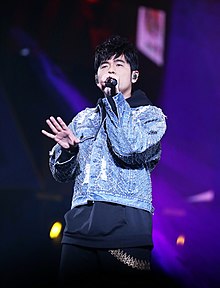
Jay Chou ( 周杰倫, Chōu Jiélún) is a Taiwanese singer, songwriter, record producer, actor, and television personality. Chou is one of the best-selling artists in the Mandarin-speaking countries and is known for his work with lyricist Vincent Fang(方文山), with whom he has frequently collaborated on his music.
In 2000, Chou released his debut studio album, Jay (2000), under the record company Alfa Music(阿爾發音樂). Chou rose to fame with the release of his second studio album, Fantasy (范特西) (2001), which combined Western and Eastern music styles. The album won five Golden Melody Awards, including Album of the Year. He has since further released twelve more studio albums, spawning a string of hit singles and gaining significant prominence in Asian communities such as Taiwan, Hong Kong SAR, China, Malaysia, and Singapore. Chou has embarked on six world tours, performing in cities around the world to more than 10 million spectators as of 2019.
Chou leads a new trend of music which combines western musical elements and Chinese literature terms. Because of this unique combination, he makes distinction between himself and other musicians by leading a “Zhongguo feng” in Asian music history. The success of his Western-Chinese musical combination is built on his marketing strategies and the musical elements involved in his works.
The traditional Chinese cultural elements involved in Chou’s music contribute to his status in Asian popular music culture. The blowing “Chinese style” (中國風) in his music leads a new trend of Chinese pop music that involves a vast amount of traditional Chinese components, rather than simply following Western music format. Chou’s Zhongguo feng is highlighted in his lyrics and the use of traditional musical instruments in his music. Lyricist Vincent Fang has worked with Jay Chou since 2000. Fang’s work is featured by addressing Chinese traditional elements, such as poetry and Confucianism. His representative work “Chrysanthemum Terrace” (Chinese: 菊花台; pinyin: juhua tai), released in 2006, shows a vast amount of cultural elements. In this work, Fang puts images which indicate certain traditional ideas to build an ancient monarchy setting. He uses chrysanthemum as a metaphor of love. In the line “Chrysanthemums broken, scattered across the floor, your smile has faded” (Chinese: 菊花殘 滿地傷 你的笑容已泛黃), as well with “Blue and White Porcelain” (Chinese: 青花瓷) and “Orchid Pavilion” (Chinese: 蘭亭序).
Chou performs in a rhythm and blues style, but within this western form, he has inserted Chinese melodies, themes, and rhythms. Chou also uses traditional musical instruments, combining traditional Chinese elements of music with Western pop music
Photo source: Wikipedia
 🚀🚀Mandarin Meta 華語元宇宙