

Part 1 第一段
| 輕輕(轻轻)的我走了 Qīng qīng de wǒ zǒule | Very quietly, I left here. |
| 正如我輕輕(轻轻)的来; Zhèngrú wǒ qīng qīng de lái; | As quietly as I came here; |
| 我輕輕(轻轻)的招手, Wǒ qīng qīng de zhāoshǒu, | Quietly, I waved good-bye. |
| 作別西天的雲(云)彩。 Zuò bié xītiān de yúncai. | To the rosy clouds in the western sky. |
Part 2 第二段
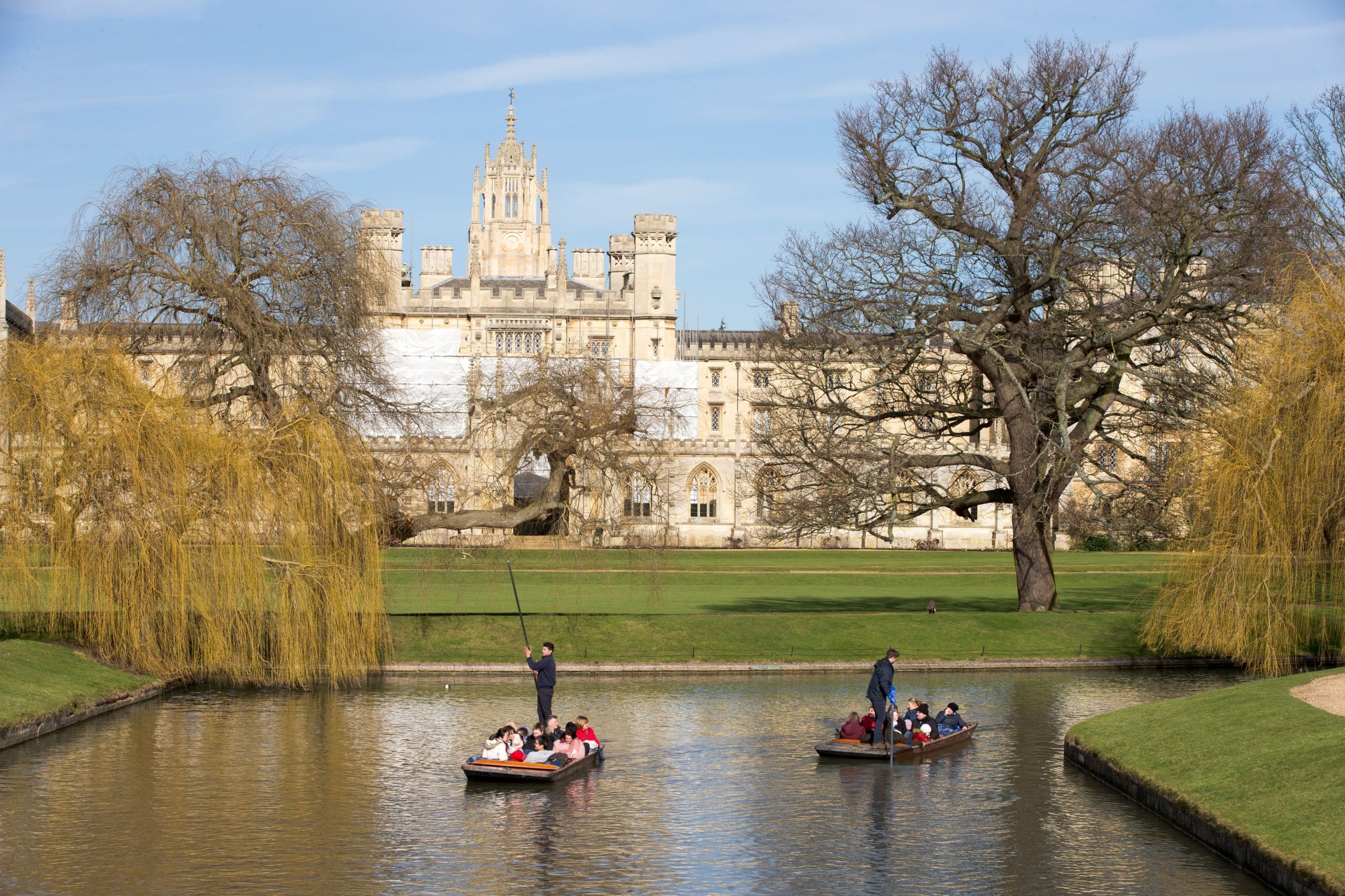
| 那河畔的金柳, Nà hépàn de jīn liǔ, | The golden willows by the riverside |
| 是夕陽(阳)中的新娘; Shì xīyáng zhōng de xīnniáng; | Are young brides in the setting sun; |
| 波光裏(里)的豔(艳)影, Bōguāng lǐ de yàn yǐng, | Their reflections on the shimmering waves |
| 在我的心頭(头)盪(荡)漾。 Zài wǒ de xīntóu dàngyàng. | Always linger in the depth of my heart. |
第三段
| 軟(软)泥上的青荇⑴, Ruǎnní shàng de qīng xìng, | The floating heart growing in the sludge |
| 油油的在水底招搖⑵; Yóu yóu de zài shuǐdǐ zhāoyáo | Sways leisurely under the water; |
| 在康河的柔波裡(里), Zài kāng hé de róu bō lǐ, | In the gentle waves of Cambridge |
| 我甘心做一條(条)水草! Wǒ gānxīn zuò yītiáo (tiáo) shuǐcǎo! | I would be a water plant! |
第四段
| 那榆蔭下的一潭, Nà yú yīn xià de yī tán, | That pool under the shade of elm trees |
| 不是清泉,是天上虹; Bùshì qīngquán, shì tiānshàng hóng; | Holds not water but the rainbow from the sky; |
| 揉碎在浮藻間, Róu suì zài fúzǎo jiān, | Shattered to pieces among the duckweeds |
| 沉澱(淀)着彩虹似的夢(梦)。 Chéndiànzhe cǎihóng shì de mèng. | Is the sediment of a rainbow-like dream. |
第五段
| 尋夢(寻梦)?撐一支長篙⑶, Xún mèng? Chēng yī zhī changˊ gāo , | To seek a dream? Just to pole a boat upstream |
| 向青草更青處(处)漫溯⑷; Xiàng qīngcǎo gèng qīng chù màn sù ; | To where the green grass is more verdant; |
| 滿載(载)一船星輝(辉), Mǎn zǎi yī chuán xīng huī, | Or to have the boat fully loaded with starlight |
| 在星輝(辉)斑斕裏(里)放歌。 Zài xīng huī bānlán lǐ fànggē. | And sing aloud in the splendor of starlight. |
第六段
| 但我不能放歌, Dàn wǒ bùnéng fànggē, | But I cannot sing aloud |
| 悄悄是別離(离)的笙簫; Qiāoqiāo shì biélí de shēng xiāo; | Quietness is my farewell music; |
| 夏蟲(虫)也為(为)我沉默, Xià chóng yě wèi wǒ chénmò, | Even summer insects heap silence for me |
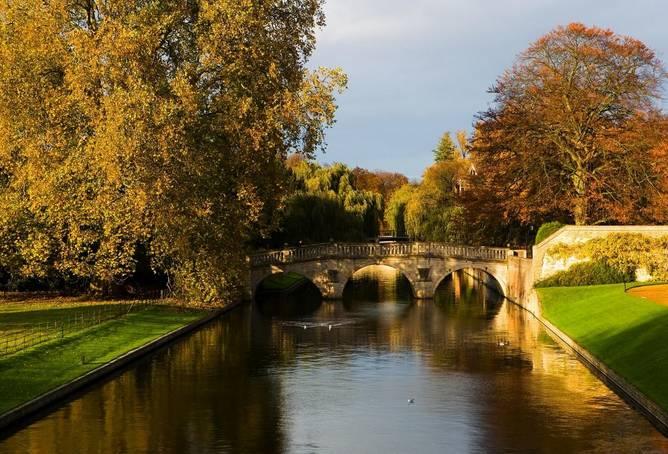
| 沉默是今晚的康橋(桥)! Chénmò shì jīn wǎn de kāngqiáo! | The silence is Cambridge tonight! |
第七段
| 悄悄的我走了, Qiāoqiāo de wǒ zǒule, | Very quietly, I left |
| 正如我悄悄的來; Zhèngrú wǒ qiāoqiāo de lái; | As quietly as I came here; |
| 我揮(挥)一揮(挥)衣袖, Wǒ huī yī huī yī xiù, | Gently I flick my sleeves |
| 不帶(带)走一片雲(云)彩。 Bù dài zǒu yīpiàn yúncai. | Not even a wisp of cloud will I bring away |
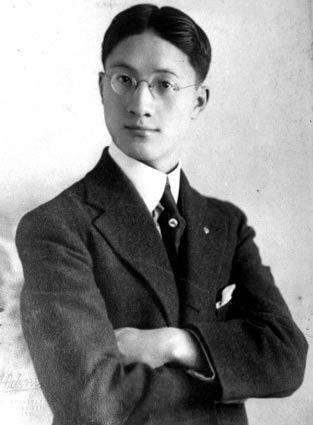
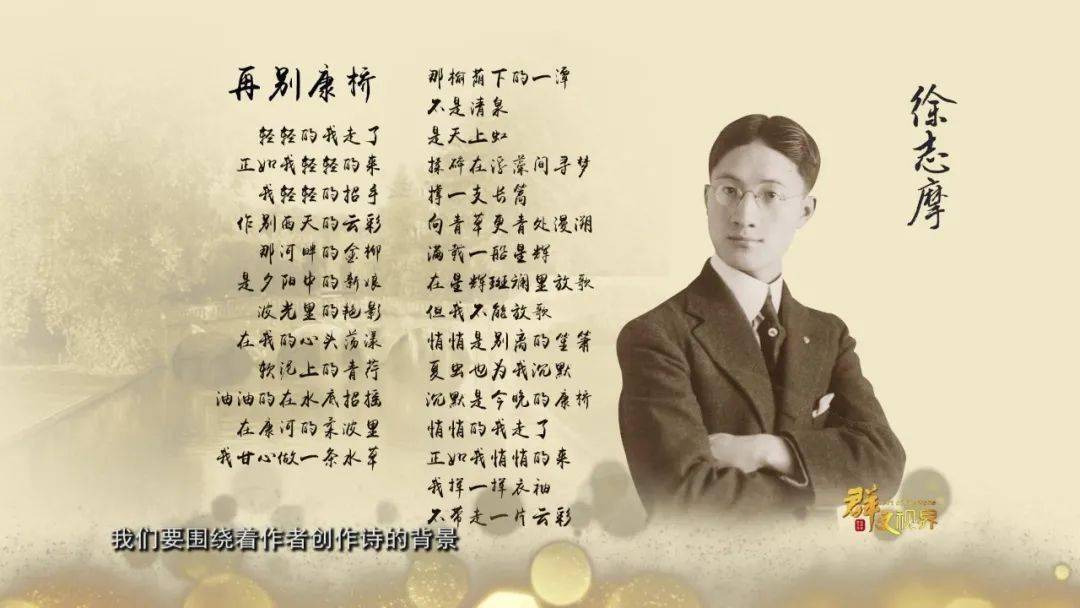
徐志摩(Hsu Zhimo, 15 January 1897 – 19 November 1931) is a Chinese romantic poet who strove to revolutionize Chinese poetry from its traditional forms and to reshape it under the influences of Western poetry and the vernacular Chinese language based on his experiences of studying in Columbia University in USA and Cambridge University in UK. He was striving for Love, Freedom, and Beauty for life. He wrote the poem, 再別康橋Saying Good-bye to Cambridge River, in 1928, and this poem is full of romance, love, but powerlessness towards life. This poem has influenced hundreds of millions of mandarin-speaking readers around the world, attracting countless tourists to visit Cambridge River. He is considered one of the most important figures of modern Chinese poetry.
 🚀🚀Mandarin Meta 華語元宇宙